Windows, doors and shutters for UK homes
Window Repair or Replacement: How to Decide
7 November 2026
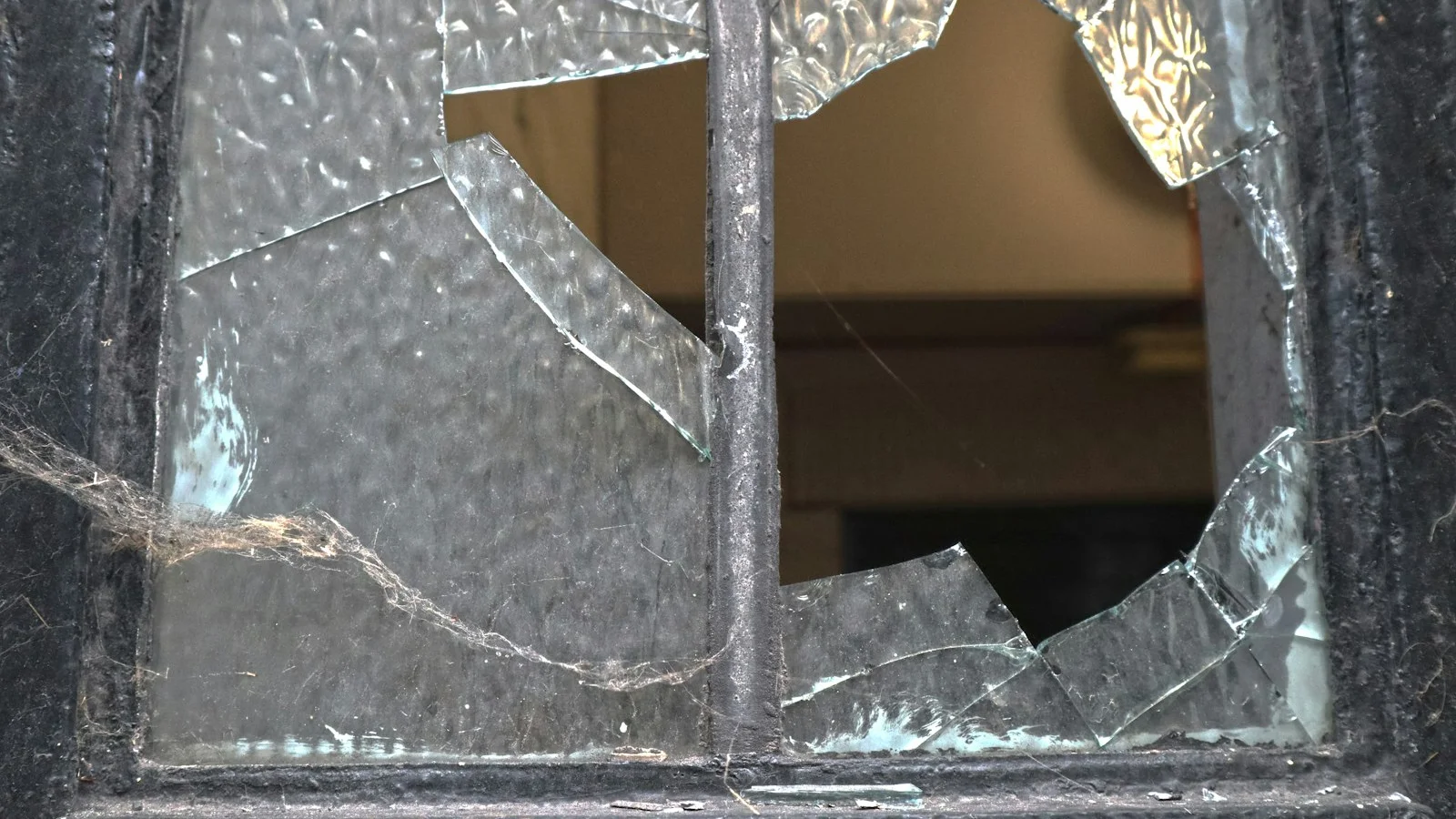
Window repair or replacement: how to decide comes down to how bad the fault is, whether the frame is sound, and what you want from a new window. A worn lock or a misted pane is usually a repair. Rot that has spread, or a window that no longer works safely, usually points to replacement.
Quick answer: Repair the window if the frame is sound and the fault is limited to a part that can be swapped, such as a lock, a hinge, a seal or a misted glass unit. Replace it if the frame has failed, the window can't be made safe, or repairs keep failing. A replacement window must meet the Building Regulations.
Key Takeaways
Start with the frame: if it's sound, most faults can be repaired.
Misted glass usually means a new sealed unit, not a new window.
Prices vary with size, style, frame material and glass, so get written quotes for both routes.
In England, a replacement window must be self-certified by a registered installer or checked by building control.
Regular maintenance helps you catch small faults early.
Window repair or replacement: how to decide for UK homes
Begin with the window's condition. Draughts, failed seals and stiff mechanisms can often be put right. Spreading timber rot or a warped frame is more likely to justify replacement.
Step-by-step assessment for decision making
Start with a visual check for rot, broken glass and warped frames, then make sure every opening part opens and closes safely. See whether draughts persist after simple fixes. Take photographs and notes, so you can describe the fault the same way to everyone who quotes.
Impact of window condition on daily life
Poorly performing windows can mean draughts and cold spots. Cold frames also attract condensation, and GOV.UK guidance says condensation is one of the most common causes of damp and mould in homes.
Misting between the panes is a different fault, because it means the seal on the glass unit has failed. Our article on why double glazing mists and whether it can be fixed explains what to do about it.
Window repair or replacement cost: what affects the price
We don't give a typical price here, because the jobs vary too much for one figure to be useful. Which? notes that most double-glazed windows are made bespoke, and that white uPVC with standard A-rated double glazing is usually the most economical option. Window size, style, frame material, glass type and height all affect the price, so compare written quotes for your own windows.
Long-term value versus short-term savings
A repair usually costs less now, but it won't change how the rest of the window performs. Replacing single glazing can reduce heat loss and make a room warmer, while replacing sound double glazing may bring a smaller gain. Ask for the energy rating of the whole window, so you can compare like with like.
Comparing options: repair or replace?
Here's how the main options compare:
Option |
Best for |
Considerations |
|---|---|---|
Lock/Hinge Repair |
Minor faults |
Keeps the original window |
New Sealed Glass Unit |
Condensation inside glass |
Only the sealed unit is replaced, not the frame |
Full uPVC Replacement |
Major damage or inefficiency |
Low maintenance, must meet Building Regulations |
Full Timber Replacement |
Badly rotted frames, period homes |
Needs regular maintenance, listed homes may need consent |
Window frame types and their durability in the UK climate
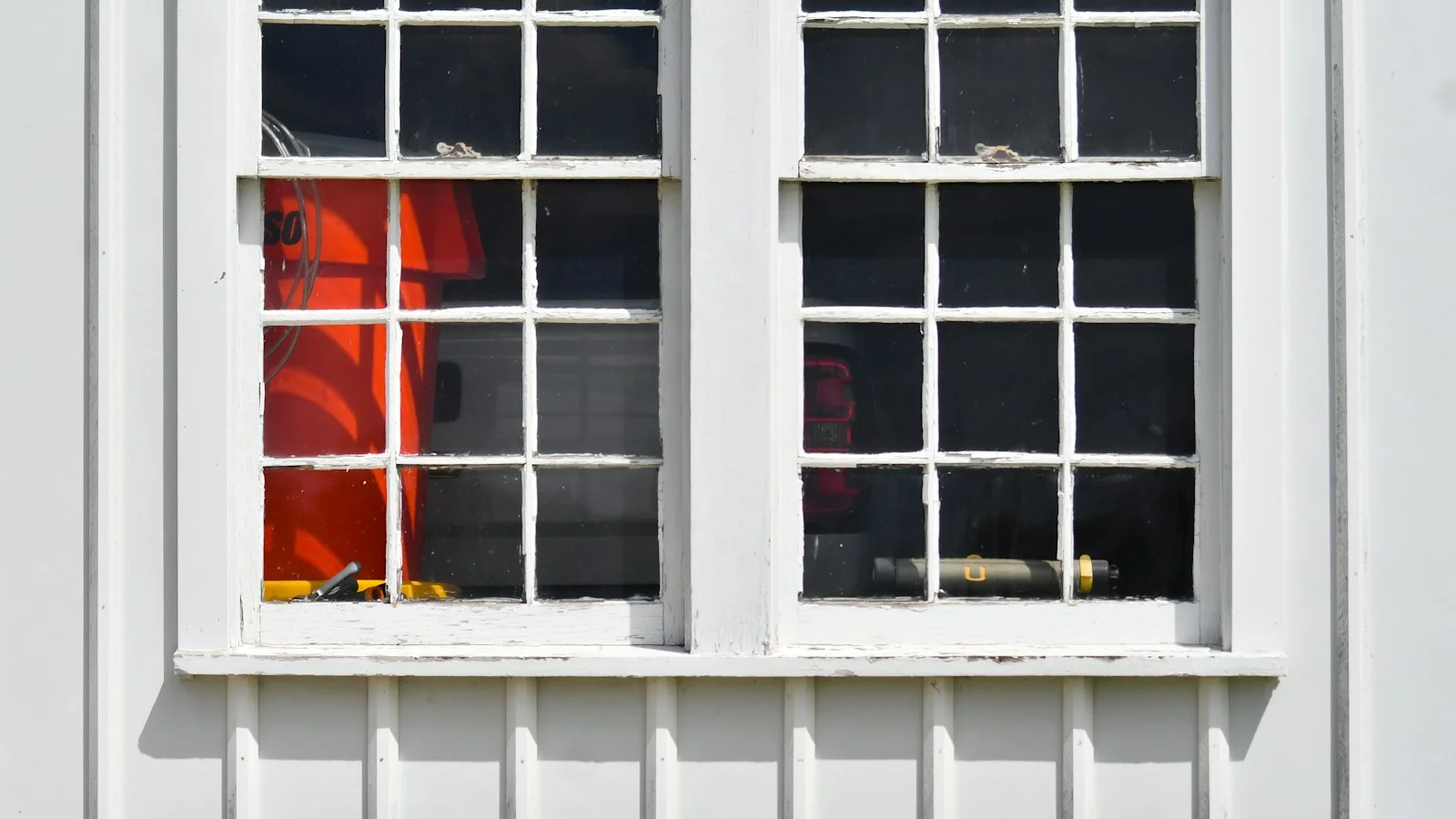
The frame is another key factor. uPVC is popular for low maintenance, timber offers a traditional look but needs regular care, and aluminium gives strength and slim frames. Whatever the material, a sound frame is what makes a repair worthwhile.
uPVC window repair tips and longevity
uPVC frames can develop faults over time, such as tired seals, stiff handles or failed locks. Many of these parts can be replaced on their own, which can delay the need for a new window.
Best practices for window maintenance UK
Regular cleaning, lubricating moving parts and repainting timber frames all help. An annual check for draughts, condensation and worn parts helps you catch repairs early.
Window regulations and standards: what you need to know
In England, the Building Regulations have applied to all replacement glazing since April 2002. They cover heat loss (Part L), ventilation (Part F) and safety glazing (Part K), along with means of escape.
The work must either be self-certified by an installer registered with a competent person scheme, such as FENSA or CERTASS, or be checked by a building control body. The Planning Portal explains the rules for doors and windows (planningportal.co.uk).
Wales has its own approved documents, and Scotland and Northern Ireland have their own building standards, so check with your council if you live there.
Planning permission and listed properties
Replacing windows with a similar look doesn't usually need planning permission in England. Listed homes are different, because listed building consent is needed for any significant works, inside or out. Conservation areas and Article 4 directions can bring extra restrictions, so check with your local planning authority first.
Installer certification and UK standards
A registered installer will give you a certificate when the job is done, and a building control body issues one if you go that way. Keep it with your property papers, because it's useful when you sell. FENSA warns that without a certificate you may have to pay for a building control inspection.
Window repair methods: solutions for common problems
The decision often rests on how repairable the fault is. Common fixes include replacing failed seals, fixing locks and resealing around frames to stop draughts. A glazier can swap out a misted double glazing unit, and a joiner can often repair rotten sections of a timber frame.
Signs you need to replace your windows
Draughts that new seals don't cure, rattling frames and spreading rot are all signs you may need to replace your windows. If repeated repairs have failed, or the window no longer opens and closes safely, replacement is usually the better choice.
Local window repair services: how to choose
Get quotes from local firms who know your type of property. Ask for references, proof of insurance and details of the repair they recommend.
If the window stays, what else can help?
Not every comfort problem needs a new window. Internal shutters can help with privacy and heat loss on a window you're keeping, and our guide to window shutters for UK homes compares the main types.
Getting shutters made to fit
Most shutters are made to suit each window, with a survey first. Our article on made to measure shutters and what to expect explains each stage, from the first consultation to the fitting visit. For window repair, have a look at Vibrant JDR Windows Limited in London.
If you have a question, get in touch with our team.
There is more advice on our blog.
Frequently Asked Questions
What are the main factors when deciding between repair and replacement?
Look at the condition of the frame, the extent of the damage, how well the window opens and closes, and how it performs in the cold. Limited faults can usually be repaired. A failed frame or a window that can't be made safe usually needs replacing.
How does the cost of window repair compare to replacement in the UK?
A repair usually costs less upfront, because you keep the frame and replace only the failed part. Prices vary with window size, style, frame material, glass type and access, so get written quotes for both routes.
Do I need a certified installer for repairs or only for replacements?
In England, a replacement window must either be self-certified by an installer registered with a competent person scheme, such as FENSA or CERTASS, or be checked by building control. Repairs are treated differently, and FENSA says it doesn't cover repairs where the frame isn't included. If you're unsure, ask your local building control team.
What are the signs you need to replace your windows instead of repairing?
If you notice spreading rot, draughts that seals can't cure, or windows that won't open or close safely, it's usually time to replace them. Repeated repairs that don't solve the problem are another strong sign.
Can window repair or replacement improve my home's energy efficiency?
Yes. Repairing seals and hardware can reduce draughts, and replacing old or single-glazed windows can reduce heat loss and make your home more comfortable. How much you'd save depends on your home and what you're replacing.
Deciding between a repair and a replacement doesn't have to be daunting. Write down the fault, get written quotes for both routes, and read our guide to replacing windows in a UK home before you commit.